
What if the Workplace Isn't Broken? It's Working Exactly Like the Society That Built It.
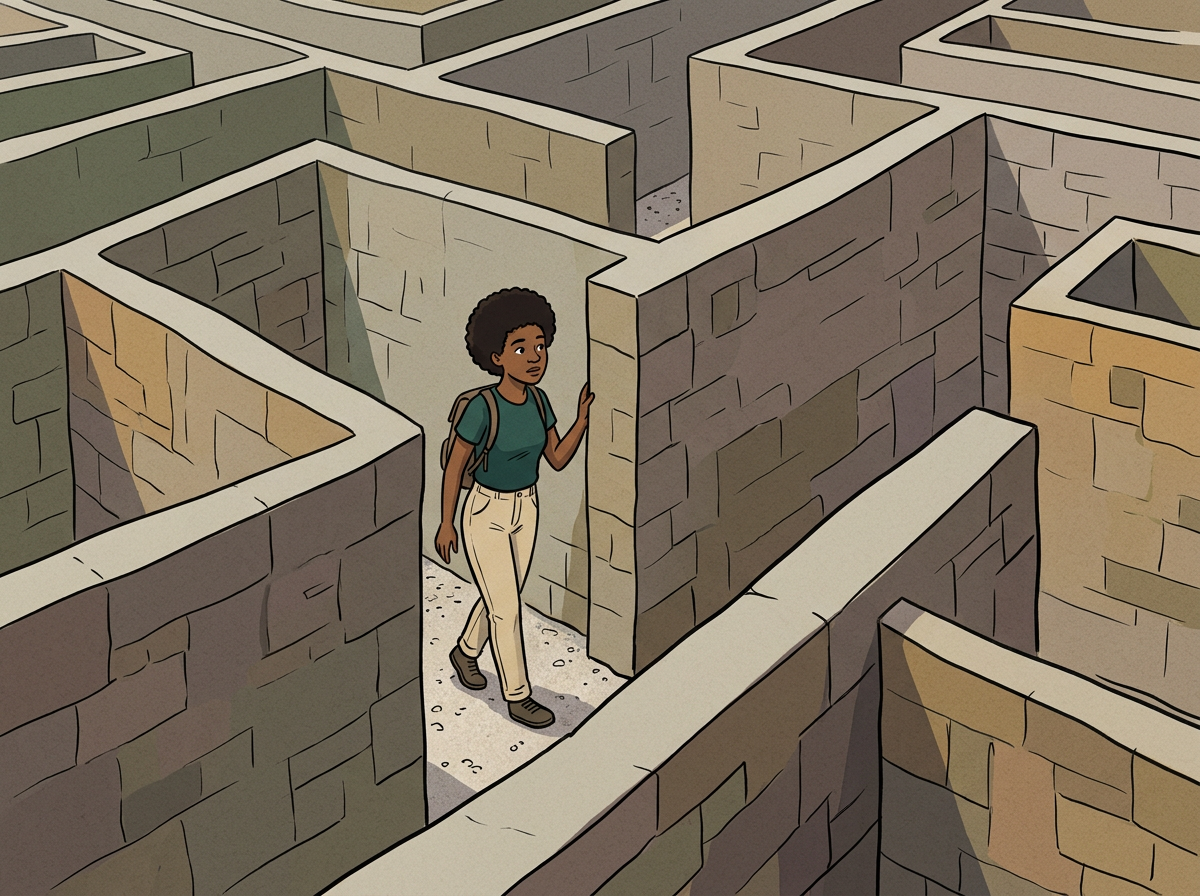
We like to think of the office as this special, sealed-off container. You walk through the doors (or log onto the Zoom), and suddenly you’re in “work mode.” We have this collective dream that the workplace has its own set of rules, its own physics, and, most importantly, its own sense of fairness. We talk about it like a meritocracy where the best ideas win, the hardest workers rise, and everyone starts on a level playing field.
But if we’re being honest with ourselves, we know that’s not really how it goes.
Lately, I’ve been sitting with a question that feels a bit uncomfortable but also incredibly clarifying: What if society itself is the institution?
What if the workplace isn't some separate world, but actually just a mirror? What if all the stuff we struggle with out there, the power dynamics, the unwritten rules about who belongs, the history of who gets grace and who gets scrutinized, doesn’t actually get checked at the door?
What if it’s all right there in the breakroom, the performance review, and the strategic planning session?
The Myth of the "Workplace Bubble"
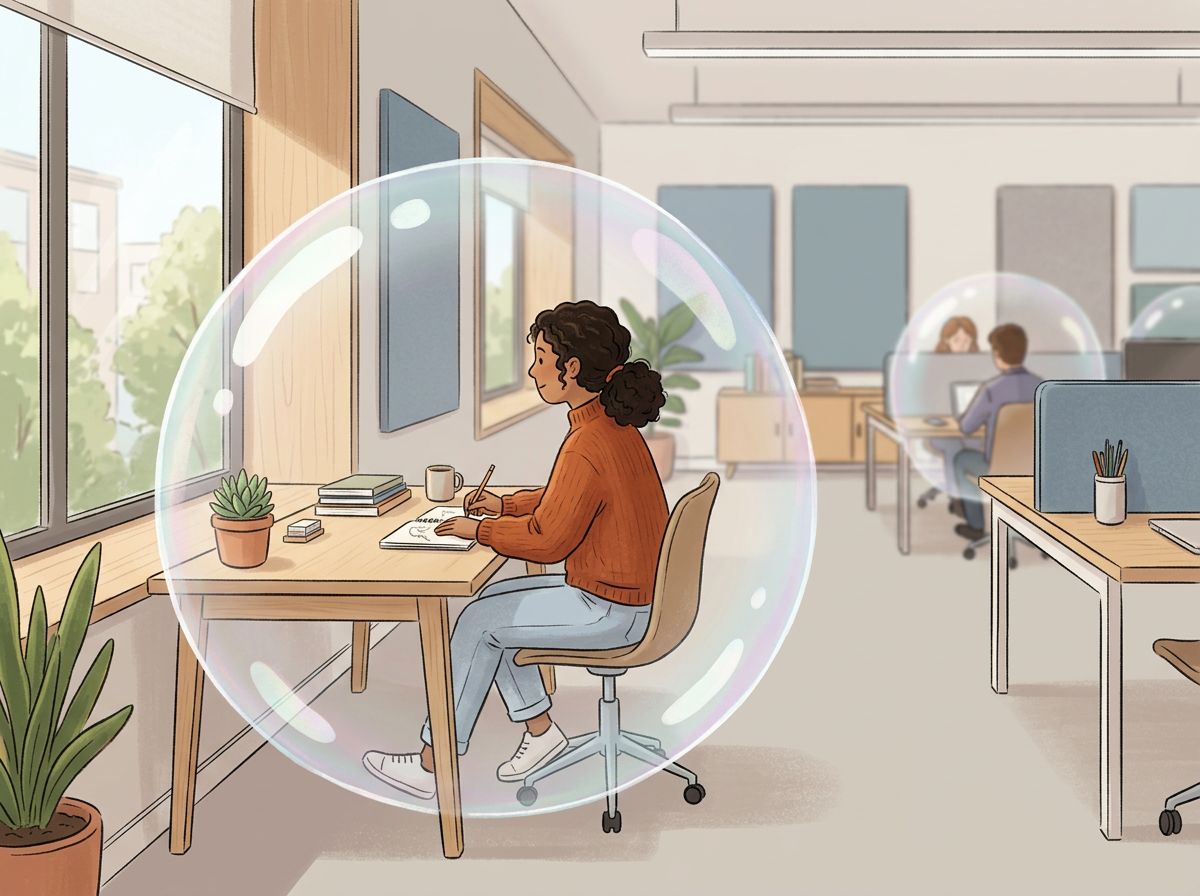
For a long time, the corporate world has tried to convince us that "professionalism" is a neutral standard. We’re told that if a team is struggling with "misalignment" or "harm," it’s just a glitch in the system. We hire consultants to "fix the culture" as if the culture was a broken appliance you could just swap a part out of.
But here’s the thing: you can’t fix a culture without looking at the conditions that built it.
When we step into our jobs, we don’t leave our conditioning behind. We carry the same biases, the same fears, and the same patterns of trust that society taught us. If society teaches us that certain voices are more authoritative than others, we don’t magically stop believing that just because we’re sitting around a conference table.
If we don't name this, we end up spending all our time trying to fix symptoms while the root cause keeps right on growing.
Business Language as a Mask

One of the most fascinating (and frustrating) ways this plays out is through the language we use. In the "real world," we talk about things like racism, classism, and ableism. But in the workplace, those things put on a suit and tie. They get renamed.
Let’s look at a few of the favorites:
"Culture Fit": This is often just code for "people who make the dominant group feel comfortable." When we say someone isn't a "fit," we’re often saying they don't share our specific cultural norms, our communication style, or our background. It’s a way to maintain a social hierarchy without ever having to mention power.
"Professionalism": Have you ever noticed how "professionalism" almost always leans toward a very specific set of norms? Research shows that these standards are often centered on white, Western, and middle-class expectations. It dictates how we should speak, how we should wear our hair, and how we should express (or hide) our emotions. If you don't fit that narrow mold, you're labeled "unprofessional."
"Accountability": This is a word I love, but in many workplaces, it’s used selectively. Who is actually held accountable? Often, it’s the people with the least power. When leadership makes a massive mistake that affects everyone, it’s "a learning opportunity." When a junior staff member from a marginalized background misses a deadline because of burnout, it’s a "performance issue."
By using these "neutral" business terms, we ignore the reality that the workplace is just a micro-version of the world we live in. We pretend we’re being objective when we’re actually just reproducing the same inequities we see everywhere else.
The Mirror in the Meeting Room
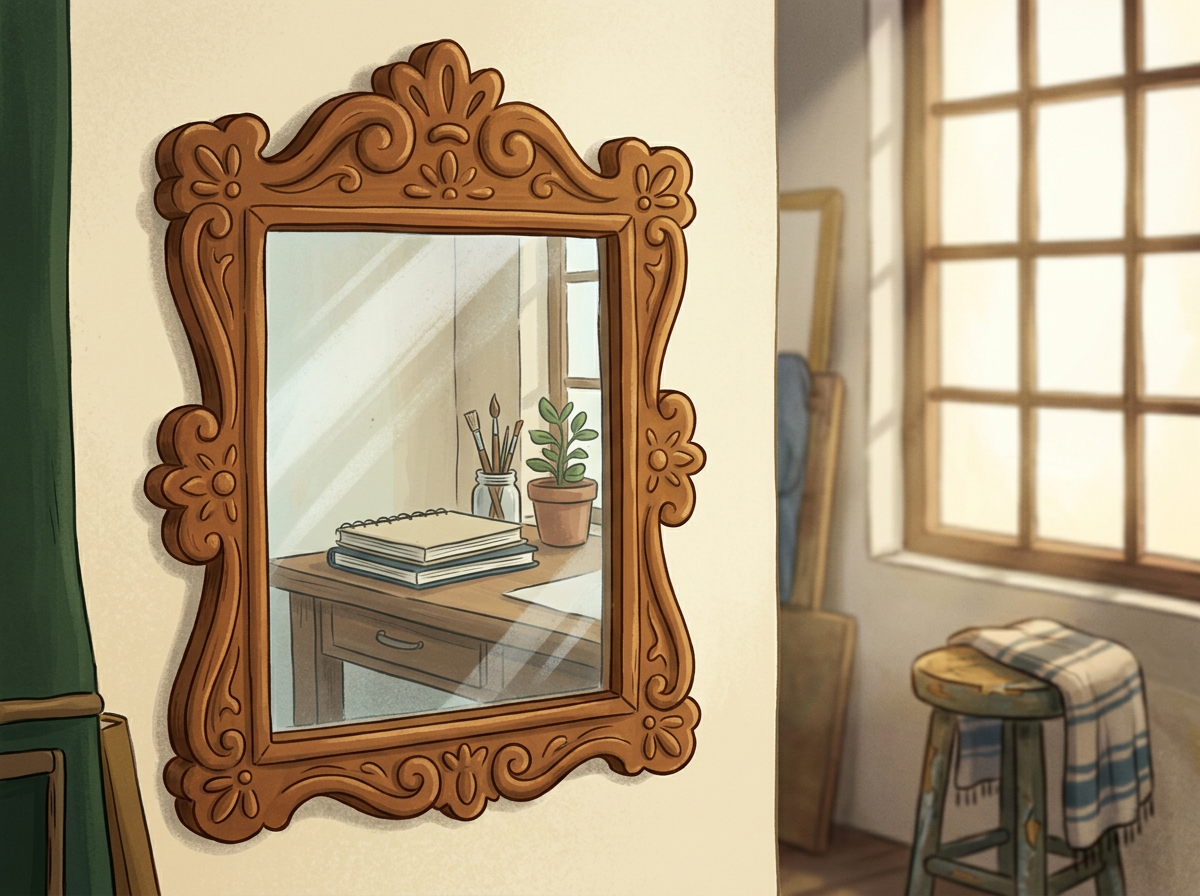
If you want to see the mirror in action, you don’t have to look far. You just have to watch how people interact.
Who gets listened to? Whose ideas are "pioneering" versus "unrealistic"? Who gets the benefit of the doubt when they mess up?
In society, we know that certain identities are given more grace than others. We know that some people are viewed as "natural leaders" while others have to prove themselves over and over again just to be seen as competent. Studies on the “White gaze” in the workplace show how this lens distorts how employees are judged and policed.
This isn't an accident. It’s not because your team is "bad" or "broken." It’s because the workplace was designed by the same hands that designed our society. It’s working exactly like it was built to work, by favoring the people it was built for and creating barriers for everyone else.
It’s Not Broken, It’s Working as Designed
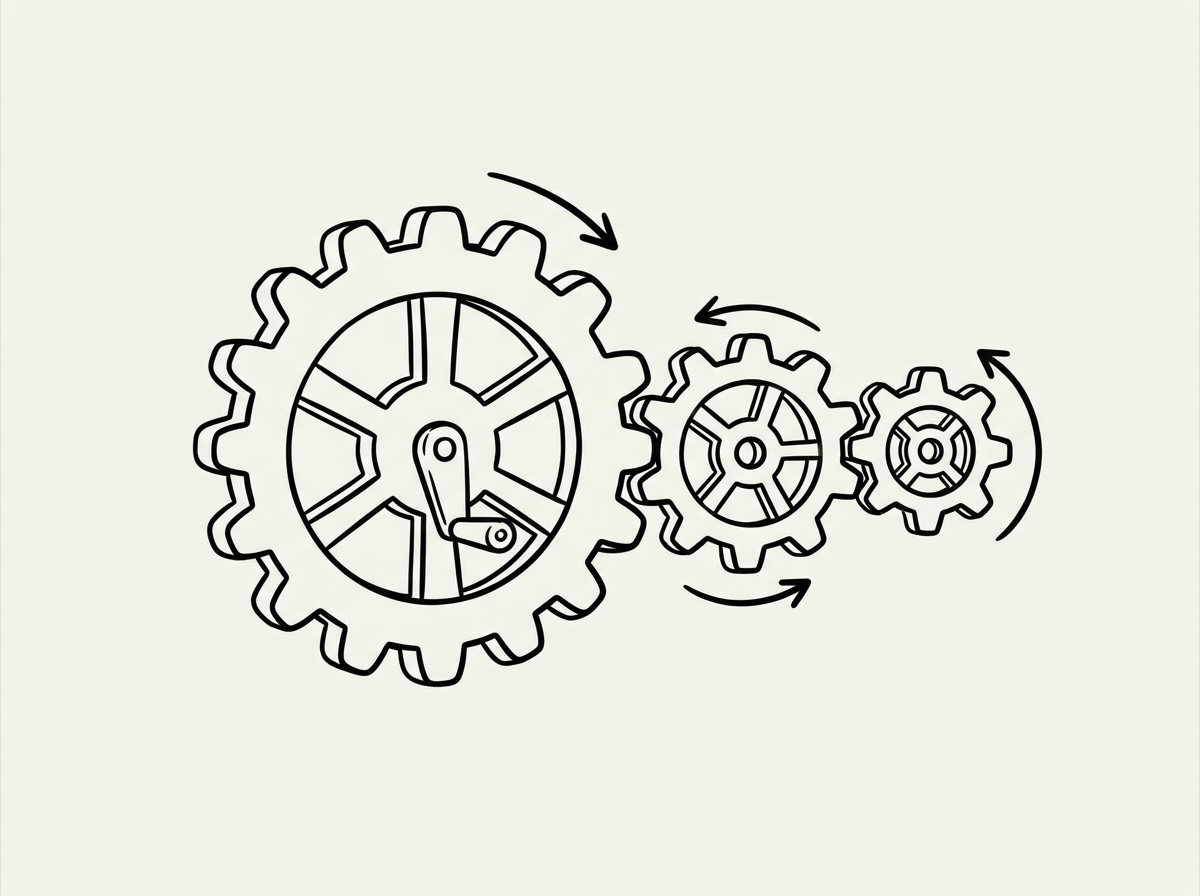
This is the hardest part to swallow: many of the things we call "workplace problems" are actually features, not bugs.
If a system consistently produces the same result, like, say, a leadership team that all looks and thinks the same: it’s not because the hiring process is "broken." It’s because the system is doing exactly what it was set up to do: protect the status quo.
When we realize that the workplace is a mirror, we can stop being surprised when it reflects the uglier parts of our society. We can stop asking, "How did this happen?" and start asking, "How do we actually do this differently?"
Real change doesn't come from a new policy or a one-off training. It comes from being willing to look at the bigger picture. It comes from admitting that we aren't in a bubble and that we have a lot of unlearning to do.
Doing Things Differently (The Undone. Way)
At Undone., we don’t believe in surface-level "optics." We’re not here to give you a gold star for having a diverse team if the underlying dynamics are still causing harm.
Our work is about helping teams see the conditions underneath the surface. We look at the gap between what you say your values are and what people are actually experiencing every day.
Evaluation: We help you name what’s actually happening. Not just the numbers, but the feelings, the patterns, and the "unwritten rules" that are keeping your team stuck.
Strategic Partnership: Once we see the mirror, we help you decide what to do about it. We guide you through the difficult decisions that lead to real, sustainable change.
Organizational Restoration: We help you rebuild. Not by going back to "how things were," but by creating a new framework that is actually accountable and supportive of everyone.
We’re not looking for "fixes" that just paint over the cracks. We’re looking for a transformation that acknowledges the world we live in and chooses to build something better right where we are.
A Final Thought
The next time you’re in a meeting and you feel that familiar tug of misalignment, or the heavy silence after someone speaks up about a problem: don't just write it off as "office drama."
Ask yourself: What is this a mirror of?
When we stop pretending the office is a bubble, we finally gain the clarity we need to change it. It’s hard work, and it’s messy, but it’s the only way to build a workplace that actually works for humans.
We’re ready to help you look into that mirror. Are you?